

TL;DR: Taskade Genesis lets small shops ship a work-order board from one prompt. Pro is $10/mo billed annually for 10 seats. UpKeep is a packaged CMMS: Essential is $24 and Premium is $55 per user per month, with Professional and Enterprise by quote (verified October 2026). Try Taskade Genesis free →
See the alternative working - clone in 60 seconds
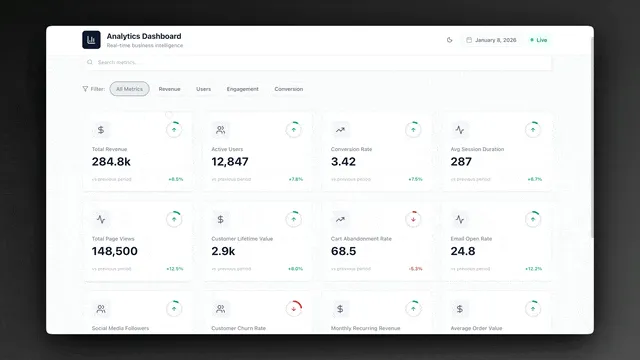
No signup, no credit card. Generate an UpKeep-style work order board →
| Capability | UpKeep | Taskade Genesis |
|---|---|---|
| Pricing (starting) | $24/user/mo Essential | $0 Free · $10/mo Pro billed annually (10 seats) |
| Build your own WO app from a prompt | ❌ (Studio app builder from Premium) | ✅ |
| AI | Nova AI chat and assists | ✅ AI Agents v2 with built-in tools |
| Own and reshape fields | Vendor templates and custom fields | ✅ Workspace DNA |
| Full warehouse CMMS / GPS claims | Platform path | ❌ Honest hard stop - pair outside |
| Workspace DNA loop | ❌ | ✅ ▲ Memory · ■ Intelligence · ● Execution |
Own the work-order board instead of renting CMMS seats
Small shops usually need five things: intake, triage, assign, close with notes, and schedule the next PM. That is an ops board. It is not always a full computerized maintenance management system with warehouse ledgers.
Taskade Genesis lets you build an UpKeep-shaped work-order system from one prompt and own it. Read the deep guide: UpKeep alternative for small shops.
What is Taskade Genesis?
Taskade Genesis is the AI app builder inside the Taskade workspace. Founded by John Xie, Dionis Loire, and Stan Chang in 2017, Taskade is a Y Combinator-backed platform.
Taskade Genesis takes a single prompt and ships a deployed app: UI, database (Table view), AI agents, workflow automations, and GenesisAuth email-and-password sign-in on every plan. Custom domains are available on Pro and above. Your workspace is the backend. Your projects are the work-order memory.
What is UpKeep?
UpKeep describes itself as an Asset Operations Management platform for maintenance and reliability teams. It packages work orders, assets, locations, mobile completion, preventive maintenance, inventory, and Nova AI across four tiers.
UpKeep at a glance (verified October 2026 on upkeep.com/pricing): Essential $24/user/mo with 250 Nova credits a month. Premium $55/user/mo with 500 Nova credits, PM scheduling, parts inventory, time tracking, and UpKeep Studio. Professional (quote) adds offline mode and an external request portal. Enterprise (quote) adds workflow automation, purchase orders, API access, and SSO.
Strengths are real. Trade-offs for small shops:
- Per-user seat cost. Every paid tech and lead who writes to the system adds cost.
- Feature tiers. PM scheduling and inventory start one tier up, on Premium.
- Automation and API at the top. Workflow automation and API access are listed on Enterprise.
- Overbuy risk. Shops that only need an open-work board pay for a warehouse-shaped product.
Why small shops choose Taskade Genesis
A living WO board you reshape
- App generation: Describe assets, priorities, and close-out fields - ship a board
- AI agents: Triage requests, summarize notes, nudge overdue PM
- Automations: Slack alerts, email requesters, create next PM tasks
- Hard stops: No GPS claims, no fake parts warehouse
Flat-rate vs per-tech CMMS math
Taskade flat-rate plans:
- Free Forever: App builder (3 Taskade Genesis apps), 2 workspace members, 1 agent
- Pro: $10/month billed annually ($20 monthly), up to 10 seats
- Business: $25/month billed annually ($50 monthly), unlimited seats
- Max / Enterprise: $100 / $250 per month billed annually
The small-shop loop
Use both: UpKeep for technicians, Taskade Genesis for request intake
Some facilities teams keep UpKeep for assets, meters, and technician mobile work. They add Taskade Genesis as the request front door, because the UpKeep external request portal is listed from the Professional tier. A Taskade agent cleans each request before it reaches the CMMS.
Example automation: request portal to a triaged work order
- A tenant or staff member submits a request in a Taskade Genesis portal. The AI Forms trigger starts the automation. A Mailhook address catches requests sent by email.
- An Agent action reads the request and the asset history in your Taskade project. It sets a priority, names the likely asset, and writes a clear work-order title.
- A Branch step sends emergencies to the on-call lead in Slack right away.
- On UpKeep Enterprise, which lists API access, the HTTP Request action creates the work order in UpKeep with your own API key. On other tiers, the lead copies the prepared request into UpKeep in one step.
- The automation emails the requester a confirmation and logs the request in the Taskade project, so the agent sees repeat issues next time.
Move an UpKeep work-order list into Taskade Genesis
A small shop can move its open work into a Taskade Genesis board in one working session. Most of the effort is cleaning the data.
- Move your open work orders, assets, and locations from UpKeep into a CSV spreadsheet, with the export options your UpKeep tier gives you.
- Open the UpKeep alternative work order board kit, or describe your assets, priorities, and close-out fields to Taskade Genesis in one prompt.
- Import the file with CSV import. Each row becomes a task in Table view, and each column becomes a field you can filter and automate.
- Set each PM interval as a recurring task, so the next visit appears on schedule.
- Add one automation first: a Task Due trigger that alerts the lead in Slack when a PM date passes without a close-out.
Run both tools side by side for a few weeks. If the crew lives in the Taskade Genesis board and nobody misses the CMMS modules, the board fits your shop.
The Workspace DNA advantage
Every Taskade Genesis app runs on Workspace DNA.
- Memory: Work orders and assets across multiple project views
- Intelligence: Agents with built-in tools
- Execution: Durable automations across 100+ integrations
UpKeep runs the packaged CMMS slice. Taskade Genesis runs the living Memory → Intelligence → Execution loop on a board you own.
Pricing comparison (verified October 2026)
| Plan | Taskade | UpKeep |
|---|---|---|
| Free | Free Forever: unlimited projects, 2 members, 3 Taskade Genesis apps | No free plan listed |
| Entry paid | Pro $10/mo billed annually, up to 10 seats | Essential $24/user/mo, 250 Nova credits a month |
| Next tier | Business $25/mo billed annually, unlimited seats | Premium $55/user/mo, 500 Nova credits a month |
| Upper tiers | Max $100/mo, Enterprise $250/mo, both billed annually | Professional and Enterprise by quote |
The UpKeep pricing page does not state whether its listed rates assume annual or monthly billing. See upkeep.com/pricing or ask UpKeep sales for the billing terms.
Seat math sketch
| Paid users | UpKeep Essential $24 | UpKeep Premium $55 | Taskade |
|---|---|---|---|
| 3 | $72/mo | $165/mo | Free (2 members) or $10/mo Pro |
| 5 | $120/mo | $275/mo | $10/mo Pro |
| 10 | $240/mo | $550/mo | $10/mo Pro or $25/mo Business |
| 15 | $360/mo | $825/mo | $25/mo Business unlimited seats |
Taskade Genesis is a different meter: workspace plans, not CMMS licenses per tech.
Choose Taskade if...
- You want work orders and PM you own and reshape
- You want flat-rate pricing instead of per-tech CMMS seats
- You are fine pairing inventory and GPS outside the app
- You need agents and automations on the same board
Choose UpKeep if...
- You need a packaged CMMS with assets, meters, and inventory. UpKeep includes asset and location management and barcode scanning on every tier, and adds meter readings and parts inventory with costing on Premium.
- You want AI inside the technician app. Nova AI includes chat, voice fill, work-order closeout notes, and activity summaries, with a monthly credit pool on every tier.
- You want hands-on onboarding and round-the-clock help. The Pledge program gives each new client a dedicated implementation and customer success contact, and standard support includes 24/7 live chat.
Frequently asked questions
Is Taskade Genesis a real alternative to UpKeep?
For small shops that need work orders, PM intervals, and requester context in an app they own, yes. Taskade Genesis is not a warehouse CMMS or GPS telematics.
How much does UpKeep cost?
Essential is $24 and Premium is $55 per user per month. Professional and Enterprise are priced by quote (verified October 2026).
Does UpKeep have a free plan?
The UpKeep pricing page does not list one as of October 2026. Taskade has a Free Forever plan.
Can I use UpKeep and Taskade Genesis together?
Yes. A Taskade Genesis portal and agent can triage requests before they reach UpKeep. On UpKeep Enterprise, the HTTP Request action can create the work order through the API.
Which AI models does Taskade Genesis use?
Taskade Genesis runs frontier models from top AI labs, with TSK-Auto as the default. On Pro and up, you can bring your own OpenAI, Anthropic or Google Vertex AI API key (BYOK).
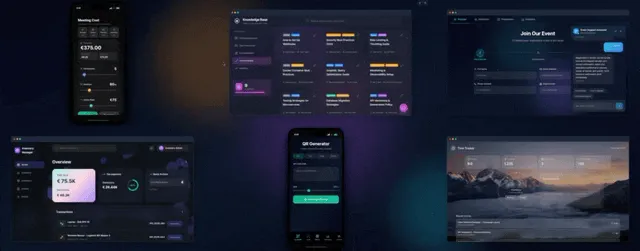
Clone a living maintenance system
Proof for shops that need open work and PM cadence (not a GPS truck suite).
- UpKeep alternative work order board
- MaintainX alternative PM board
- Work order crew board
- Preventive maintenance schedule board
Get started with Taskade Genesis
Build a work-order board from one prompt. Database, agents, and automations included.
Explore Taskade Genesis
- AI App Builder - Build complete apps from one prompt
- AI Agent Platform - Digital teammates that work 24/7
- AI Automation Platform - Workflow automation across 100+ tools
- Community Gallery - Clone and customize live apps
- Pricing - Flat-rate plans, no per-tech CMMS math
Learn the Taskade Genesis architecture
- First-app guide - 5-minute tutorial
- How Workspace DNA Works - The architecture explained
- Custom AI Agents - The Intelligence pillar
- Projects & Databases - The Memory pillar
Related comparisons
- Free MaintainX Alternative - Companion CMMS board path
- Free Jobber Alternative - Field-service ops without per-crew rent
- Free ServiceTitan Alternative - Small-crew dispatch without FSM seat tax
Related reading
- The Build Without Permission article - Our manifesto
- UpKeep Alternative for Small Shops - CMMS switcher guide
- MaintainX Alternative for Small Shops - Companion PM guide
- How Workspace DNA Works - The architecture