






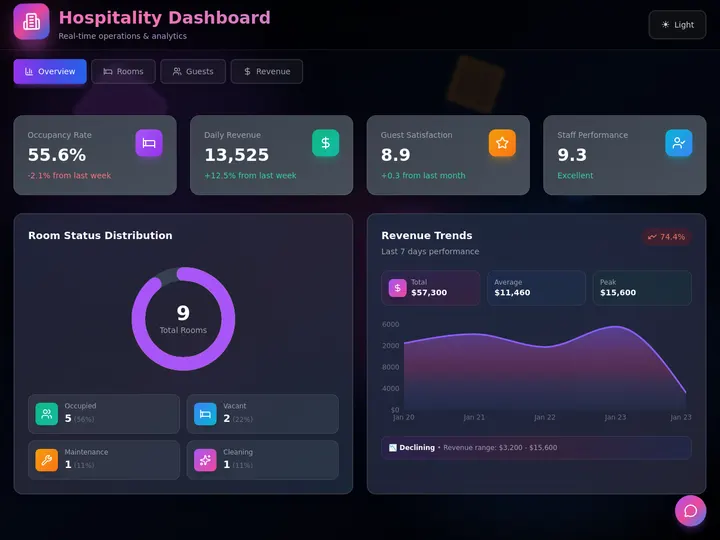
UpKeep helped thousands of facilities teams leave clipboards and shared inboxes. For a five-person maintenance shop, the same product can feel like renting a factory floor when you only needed a clean work-order board. This guide is the honest 2026 path for small shops comparing UpKeep, MaintainX, Limble, Maintoro, and a living ops board you own in Taskade Genesis.
TL;DR: Packaged CMMS tools win when you need inventory modules, meter APIs, and a vendor-shaped mobile CMMS day one. Taskade Genesis wins when you want work orders, PM intervals, and customer context in a living app you reshape. Start from the UpKeep alternative work order board, pair a MaintainX-style PM board if intervals matter, and keep GPS, payroll, and parts warehouse tools beside the board instead of inventing them inside it.
Pricing below uses publicly listed or widely reported 2026 ranges (annual billing where vendors publish it). Confirm live quotes before you buy. Vendors change tiers.
🧰 What Small Shops Actually Need From a CMMS
A full computerized maintenance management system promises assets, work orders, preventive maintenance, parts, purchasing, meters, and reports. Small shops usually live in a narrower week:
- Someone reports a broken unit (text, email, or walk-up).
- A lead triages priority and assigns a tech.
- The tech closes the job with notes, photos, and time spent.
- Someone schedules the next PM before the same unit fails again.
- An owner wants a board that answers "what is open?" without hunting chat threads.
That spine is an ops board. It is not the same as a warehouse CMMS. Confusing the two is how shops overbuy seats.
| Daily need | Packaged CMMS default | Living ops board in Taskade Genesis |
|---|---|---|
| Open work orders | Native WO module | Project board with status columns |
| Asset list | Asset registry | Linked asset records in Projects |
| PM cadence | PM scheduler (often paid tier) | Recurring tasks + automation reminders |
| Parts bin levels | Inventory module (often Premium+) | Pair your inventory tool; the board is not a warehouse |
| Fleet GPS | Vendor or partner add-on | Not available. Keep your telematics |
| Who configures fields | Vendor templates | You + Taskade EVE chat |
If your week is the five steps above, you are shopping for ownership of the board. If your week is cycle counts, PO approvals, and meter-driven reorder points, stay in a dedicated CMMS.
📜 Origin of the CMMS Seat-Tax Problem
CMMS pricing grew up around plants and multi-site facilities teams. Per-user licensing made sense when every technician needed a licensed login, and when the vendor funded a deep mobile app, barcode scanning, and inventory ledgers.
Then three things changed for small shops:
- Everyone became a requester. Front desk, tenants, and machine operators submit work. Vendors responded with free requester seats, which is good, but paid "full users" still stack when leads, techs, and managers all need write access.
- Chat and spreadsheets became the real system of record. Many shops already coordinate in SMS and Sheets. Buying a CMMS seat for each person who occasionally updates a status feels like a tax on visibility.
- AI and app builders collapsed the cost of a custom board. In 2026 you can generate a work-order app from a prompt, then reshape fields without filing a ticket. That shifts the buy decision from "which CMMS brand?" to "do we rent a schema or own one?"
The seat tax is not a moral failure by UpKeep or MaintainX. It is a business model matched to packaged depth. Small shops feel it when Essential pricing is fine for three people and painful at twelve, or when the features they need (PM, inventory, offline) live one tier up.
That loop is what Taskade Genesis is built to own. Parts warehouses and GPS trails are adjacent systems.
💵 2026 Pricing Reality: UpKeep, MaintainX, Limble, Maintoro
Use this as a budget sketch, not a contract. Figures are approximate public ranges as of mid-2026.
| Product | Entry / free | Practical paid start | Next tier often needed | Notes for small shops |
|---|---|---|---|---|
| UpKeep | Trial, then paid | Essential ~$20-$24/user/mo | Premium ~$55/user/mo | Essential covers core WOs; PM and inventory often push Premium |
| MaintainX | Free Basic (limits) | Essential |
Premium |
Free is real for light use; Premium is where inventory/API depth lands |
| Limble | Quote / calculator | Standard ~$28/user/mo annual (reports vary ~$28-$35) | Premium+ ~$55-$69/user/mo | Strong CMMS depth; pricing less list-page transparent |
| Maintoro | Free (tight limits, e.g. 2 users) | Starter ~$15/user/mo annual | Pro ~$39/user/mo annual | Lower seat price; still a CMMS product shape |
| Taskade Genesis | Free plan available | Workspace plans (not CMMS per-tech seats) | Higher plans for more AI/app users | Own the ops board; pair inventory/GPS elsewhere |
Rough monthly seat math (paid users only)
| Paid users | UpKeep Essential (~$22 avg) | MaintainX Essential (~$20) | Limble Standard (~$28) | Maintoro Starter (~$15) |
|---|---|---|---|---|
| 3 | ~$66 | ~$60 | ~$84 | ~$45 |
| 5 | ~$110 | ~$100 | ~$140 | ~$75 |
| 10 | ~$220 | ~$200 | ~$280 | ~$150 |
| 15 | ~$330 | ~$300 | ~$420 | ~$225 |
Bump those numbers if you need Premium-class inventory or offline. A ten-person MaintainX Premium line is ~$650/mo on annual Premium marketing rates, not ~$200.
How Taskade Genesis changes the equation: you are not buying CMMS seats. You buy a workspace that holds Projects, Agents, and Automations, then invite the people who run the board. Published app end users and AI credit usage follow Taskade plan rules, which is a different meter than "every tech is a CMMS license." Confirm current Taskade pricing for your headcount and AI usage.
🧭 Who Should Switch to a Living Ops Board
Switch (or dual-run) when several of these are true:
- You have about 1 to 15 people touching work orders, not a multi-plant reliability org.
- Your "CMMS" today is Excel + group chat, and you mainly need triage, assignment, and history.
- You already have parts in another system (or a simple spreadsheet) and do not want to migrate a warehouse.
- You want custom fields for your trade (fridge serials, roof zones, kiln IDs) without waiting on vendor templates.
- You want AI triage that reads your board, not a bolted chatbot that cannot see your schema.
- Seat quotes keep climbing faster than downtime savings you can measure.
Good fits: boutique facilities teams, small property maintenance crews, specialty shops with a handful of critical assets, in-house maintenance for a single plant or campus wing.
Start points:
- UpKeep alternative work order board
- MaintainX alternative PM board
- Field inspection audit board
- Housecall Pro alternative dispatch board if customer-facing home-service jobs mix with internal maintenance
Related field-service ownership story: ServiceTitan alternative for small crews.
🛟 Who Should Stay on UpKeep (or Another CMMS)
Stay when the packaged product is the product you actually operate:
- You need parts inventory with costing, POs, and cycle counts inside one CMMS.
- Meter-based and condition-based PM are core, not optional.
- You rely on a mature offline mobile CMMS for techs in dead zones.
- Compliance wants a vendor CMMS audit trail your insurer or customer already recognizes.
- You are mid-rollout with training sunk and adoption finally sticking.
- You need IoT / sensor integrations the CMMS vendor already certifies.
UpKeep, MaintainX, Limble, and Maintoro are not "wrong." They are purpose-built CMMS suites. Taskade Genesis is a living workspace platform. Honest buyers pick the constraint they refuse to compromise.
| Constraint you refuse to drop | Lean this way |
|---|---|
| Warehouse-grade parts + POs in one login | Limble / MaintainX Premium / UpKeep Premium+ |
| Lowest published CMMS seat among specialists | Maintoro (still validate features) |
| Free forever experiment with hard caps | MaintainX Basic or Maintoro free tier |
| Own schema, agents, automations on one board | Taskade Genesis |
| Consumer booking + review marketing for residential trades | Housecall-style tools, not a plant CMMS |
🧬 Workspace DNA: Projects, Agents, Automations
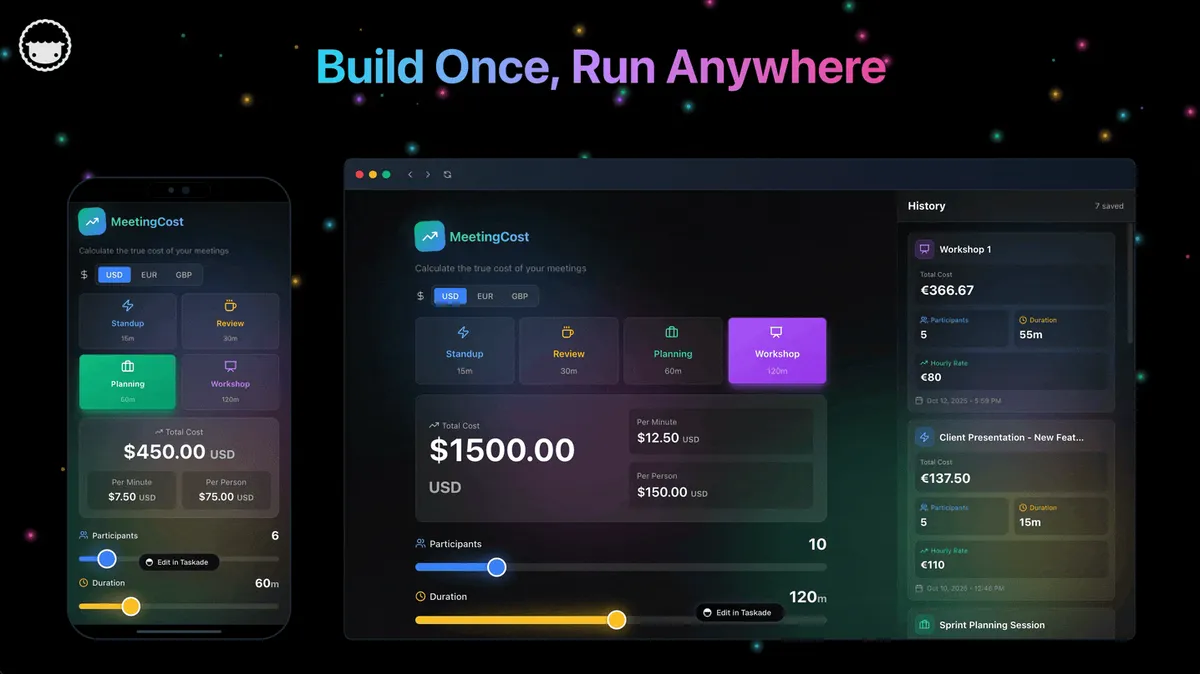
Taskade Genesis apps are not static templates. They run on Workspace DNA:
| Pillar | Component | Role on a maintenance board |
|---|---|---|
| Memory | Projects | Assets, work orders, PM schedules, inspection checklists |
| Intelligence | AI Agents | Triage new requests, draft close-out notes, flag overdue PM |
| Execution | Automations | Remind assignees, escalate emergencies, notify requesters |
The loop: a new request writes Memory, an Agent proposes priority, an Automation notifies the tech, completion writes Memory again. That is why the board gets sharper the more you use it.
What you generate first:
- Work orders as the system of record for open work.
- Assets linked so history is not tribal knowledge.
- PM rows so intervals are visible, not buried in a calendar someone owns privately.
- Agents only after the board holds real data. An agent on empty sample rows is theater.
Browse live patterns in the Community Gallery when you want to see how others shaped ops boards before you generate yours.
🏗️ What Taskade Genesis Owns vs What You Pair
Honest boundaries matter more than feature checklists.
Taskade Genesis is a strong fit for:
- Work-order boards and status workflows
- PM interval tracking and reminder automations
- Inspection and audit checklists
- Internal requester intake forms
- AI assistants grounded on your Projects
- Lightweight customer or tenant status views when you need them
Honest gaps — what Taskade Genesis does not do today:
- No GPS / fleet telematics. Keep Samsara, Motive, or your vendor module.
- No full parts CMMS. Bin levels, vendor POs, and cycle counts stay in a CMMS or inventory app if that is your world.
- No certified offline rugged client. Techs in dead zones are better served by a vendor mobile CMMS built for it.
- Not "UpKeep with cheaper seats." It is a different product category: a living ops app rather than a packaged CMMS.
If a salesperson or an AI summary tells you Taskade Genesis replaces UpKeep inventory and offline GPS, that is overselling. Walk away from the pitch no matter who makes it, including us.
📋 Migration Checklist: Spreadsheet or CMMS to Taskade Genesis
Use a two-week parallel run. Do not cut over on a Monday emergency.
Week 0: Decide the nouns
- List the four nouns you cannot lose: asset, work order, assignee, due date
- Note optional nouns: requester, location, PM interval, inspection score
- Write down tools that stay: payroll, parts, GPS, accounting
Week 1: Generate and load truth
- Generate the work order board
- Add 10 to 20 real open jobs (not demo "Pump A")
- Link asset records for your critical equipment only
- Mirror status language your techs already say ("Waiting parts," "Vendor," "Done")
- Invite leads first, then techs
Week 2: PM, inspections, automations
- Add a PM board for interval work
- Add an inspection board if audits drive compliance
- Turn on one automation (overdue ping or emergency escalate)
- Add a triage agent only after statuses are trusted
- Freeze the old sheet for new work; keep it read-only for history
Cutover rules
- New work enters Taskade Genesis only.
- Emergencies may still page by phone; the record still lands on the board within the hour.
- Parts and GPS updates stay in their systems; paste references into the work order notes if needed.
| Day | Focus | Done looks like |
|---|---|---|
| 1 | Generate WO board | Columns match how you talk |
| 2 | Import open work | Every open job has an owner |
| 3 | Assets for critical units | History link works on two assets |
| 4 | PM rows | Next 30 days of PM visible |
| 5 | One automation | Overdue jobs ping a channel or email |
| 6-7 | Tech feedback | Rename one confusing field |
| 8-10 | Agent triage (optional) | Agent suggests priority, human confirms |
| 11-14 | Parallel quiet | Old sheet has zero new rows |
🆚 Side-by-Side: Choosing an UpKeep Alternative
| Question | UpKeep | MaintainX | Limble | Maintoro | Taskade Genesis |
|---|---|---|---|---|---|
| Product shape | Mobile-first CMMS | Mobile CMMS + free tier | Structured CMMS | Lower-cost CMMS | Living ops app platform |
| Seat model | Per full user | Per full user (free requesters) | Per user (quoted) | Per user | Workspace / plan (not CMMS seats) |
| Own the schema? | Limited | Limited | Limited | Limited | Yes, reshape with Taskade EVE |
| AI on your data | Vendor AI features | Copilot on higher tiers | Vendor roadmap | Varies | Agents on your Projects |
| Parts warehouse | Paid tiers | Premium+ | Premium+/Enterprise | Pro | Pair outside |
| Best for | Teams wanting UpKeep mobile CMMS | Teams testing free then Essential | Teams wanting CMMS depth | Budget CMMS seats | Shops owning the board |
Feature depth vs ownership (qualitative)
| Capability | Packaged CMMS | Taskade Genesis living board |
|---|---|---|
| Work orders | Excellent | Excellent when modeled |
| PM scheduling | Excellent on paid tiers | Strong via Projects + Automations |
| Parts / PO | Excellent on upper tiers | Not a strength. Pair a tool |
| Offline rugged CMMS | Vendor strength | No parity today |
| Custom workflows | Configuration inside CMMS rules | First-class: change the app |
| Multi-use workspace | Maintenance-shaped | Maintenance + adjacent ops in one DNA |
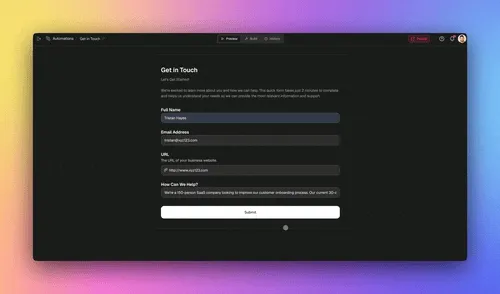
🧪 A Day in the Life on a Taskade Genesis Maintenance Board
07:40 Night shift left three open items. The board shows priority and age. No scavenger hunt in SMS.
08:05 A tenant texts a leak. Intake becomes a work order. An agent suggests "urgent / plumbing / Building B." A human assigns.
10:20 Tech closes with photos. Automation notifies the requester. Asset history gains a row.
14:00 PM board lists two filter changes due this week. Creating the WO takes seconds because the asset already exists.
16:30 Owner opens the board once. Open count, waiting-parts count, and overdue PM are visible without exporting Excel.
That day does not require GPS breadcrumbs or a parts ledger inside Taskade. It requires a board people trust.
If your work mixes facility maintenance with customer-facing home-service calls, keep the maintenance board and add a Housecall-style dispatch board rather than forcing one schema to do both badly.
❓ FAQ: UpKeep Alternatives for Small Shops
What is the best UpKeep alternative for a small maintenance team?
If you want a packaged CMMS with inventory depth, shortlist MaintainX, Limble, and Maintoro on features and seat math. If you want work orders and PM in an app you own, Taskade Genesis is the stronger 2026 answer for small shops. Generate the UpKeep alternative work order board and validate with real open jobs before you cancel anything.
Does Taskade Genesis replace a full CMMS?
No. Taskade Genesis replaces the ops board layer: work orders, PM visibility, inspections, triage agents, and automations. It does not replace a full parts CMMS, certified offline CMMS clients, or GPS fleets. Keep those tools if you rely on them.
How does this differ from a MaintainX alternative?
You own the board either way, and only the starting shape differs. MaintainX buyers often care about PM cadence and a free tier to experiment. Use the MaintainX alternative PM board when intervals are the center of gravity, and the UpKeep-style work order board when reactive WOs dominate.
Is MaintainX free enough for a five-person shop?
Sometimes. Free Basic is useful to prove adoption, then Essential at ~$20/user/mo annual is the common paid step. If you need inventory, API, and deeper analytics, Premium ~$65/user/mo annual changes the budget. Run the seat table before you commit.
What about Limble at ~$28/user?
Limble is often chosen for structured CMMS workflows and reporting depth. For small shops that will not use Premium+ inventory features, you may be paying CMMS depth for a board-shaped problem. Demo Limble if compliance and CMMS process maturity matter; generate a board in Taskade Genesis if ownership and seat flexibility matter more.
Is Maintoro "UpKeep but $15"?
Maintoro competes on lower CMMS seat prices (~$15 Starter annual). It is still a CMMS product. Taskade Genesis is not trying to undercut Maintoro per seat. It asks whether you need a CMMS product at all, or a living board you control.
Can we keep UpKeep for parts and use Taskade Genesis for the board?
Yes. Dual-running is normal. Put human-facing triage and PM visibility in Taskade Genesis, keep inventory where cycle counts already work. Avoid double entry by making one system the authority for each noun (board owns WO status; CMMS owns bin qty).
Do we get GPS if we switch?
No. Taskade Genesis has no GPS or fleet tracking, so it is not the tool to plan a move around if map-tracking techs is the requirement. Keep your telematics and put job status on the board.
Where do inspections fit?
Safety rounds and audit checklists belong on a field inspection audit board, linked to assets where possible. That is often the second Taskade Genesis surface small shops add after work orders.
What if we also run residential service calls?
Read ServiceTitan alternative for small crews and consider a separate dispatch board for customer jobs. Internal maintenance and external service share DNA patterns, not always one table.
📚 Related Reading
- ServiceTitan alternative for small crews
- UpKeep alternative work order board generator
- MaintainX alternative PM board generator
- Field inspection audit board generator
- Housecall Pro alternative dispatch board
- Taskade Community Gallery
🚀 Own the Board, Pair the Rest
UpKeep earned its place by making mobile CMMS approachable. Small shops still deserve a second question in 2026: are we buying a maintenance suite, or are we renting seats for a board we could own?
If you need warehouse parts, meter APIs, and a vendor CMMS mobile stack, stay on UpKeep, MaintainX, Limble, or Maintoro and negotiate seats with clear eyes. If you need open work, PM discipline, inspections, and agents on your own schema, generate the living ops board and keep GPS and parts tools in their lanes.