






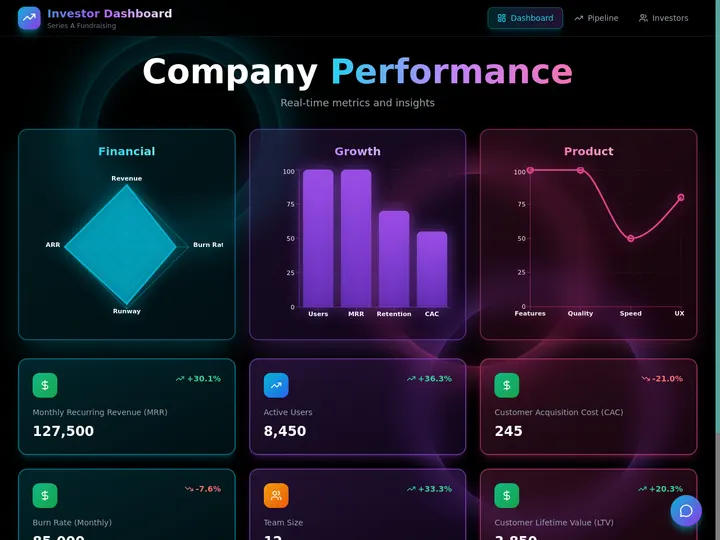
Agencies buy Float when utilization becomes a spreadsheet fight. Runn shows up in the same SERP with resource seats and a minimum floor that can sting smaller studios. Both are strong planners. Both charge for the people you schedule. In 2026, a different question is fair: do you need a dedicated resource-management product, or a living utilization board inside the same workspace where delivery already happens?
This guide is an honest Float alternative path for agencies that want capacity visibility without turning headcount into a second SaaS tax. Taskade Genesis is not Float. It is not a full PSA (professional services automation) suite. It is Projects + AI agents + automations + App UI shaped into a utilization and capacity board you own.
TL;DR: Float (~$7 Starter / ~$12 Pro per scheduled person / month, annual-style list pricing) and Runn (resource seats, often ~$7-$13/seat with a common 20-seat minimum on paid plans) win when scheduling UX and finance dashboards are the product. Taskade Genesis wins when utilization must live next to client work, delivery tasks, and agents. Start with the Float alternative agency utilization kit and the agency capacity planning board.
Confirm live vendor pricing before you buy. Figures below are public 2026 ranges used for budget sketches. For the feature-by-feature view that sits alongside this guide, see the Taskade Genesis vs Float comparison.
What utilization actually means on Monday
Utilization is not a vanity chart. It is four questions:
- Who is overbooked this week?
- Who has slack you can sell?
- Which clients are consuming more hours than scoped?
- What happens if that pitch closes next Tuesday?
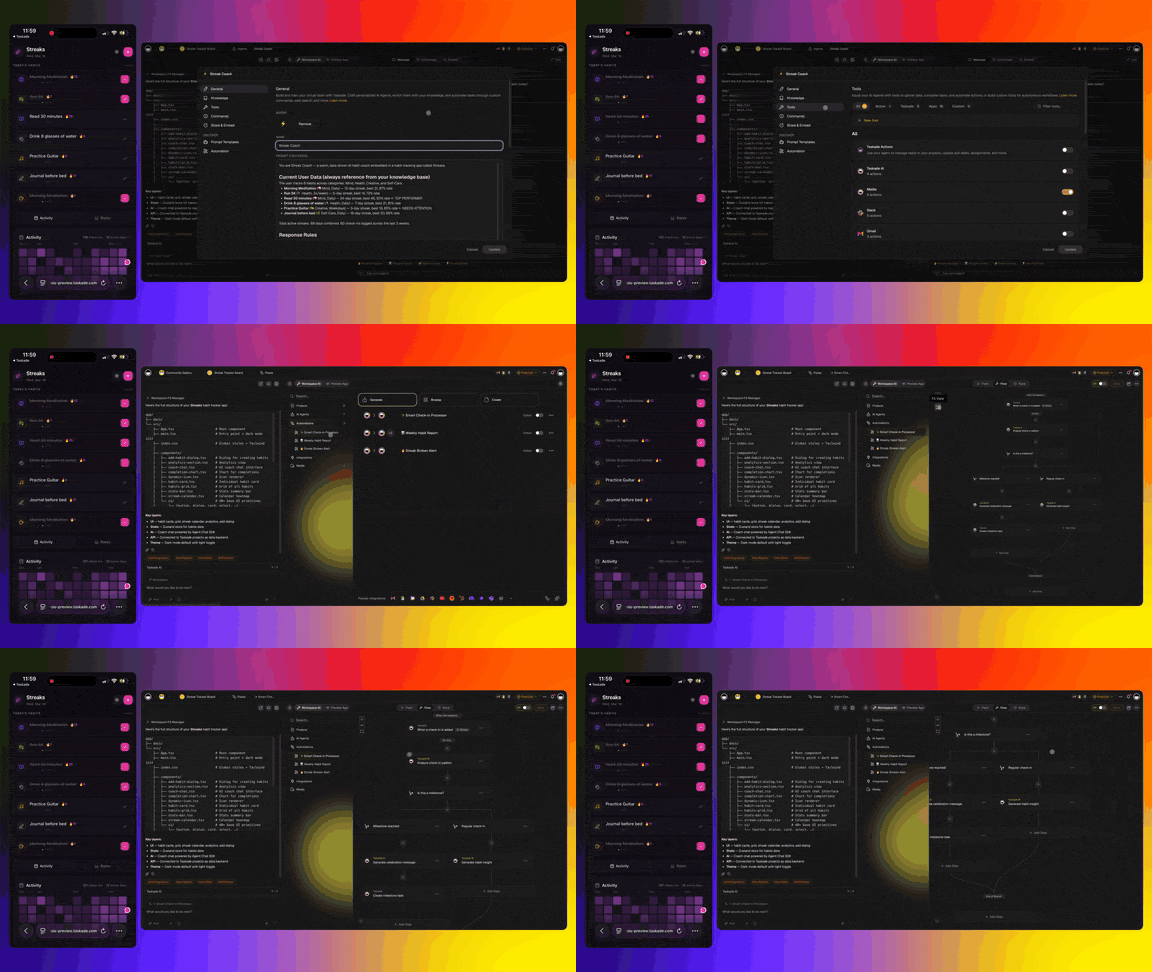
Float answers these with a beautiful schedule. Taskade Genesis answers them by making capacity a first-class board in the same workspace as projects and client portals.
| Monday question | Float / Runn default | Taskade Genesis board |
|---|---|---|
| Who is over 100%? | Schedule heat / capacity views | Capacity board + person records |
| Soft vs hard bookings | Native planner semantics | Status fields you define (tentative / confirmed) |
| Actuals vs plan | Pro-tier time / estimates features | Time fields + weekly rollup views (honest, lighter) |
| Tie to delivery tasks | Integrations / exports | Same Projects agents already update |
| AI "who is free for X?" | Limited product AI | Agent query over live capacity records |
| Pitch what-if modeling | Strong in dedicated RM tools | Scenario project + capacity board clone |
If you only need a world-class schedule canvas, stay with Float. If you need the schedule to argue with the delivery board in one system, keep reading.
The per-seat tax for creative and services teams
Float bills per scheduled person. Guests can be free, but every designer on the grid is a seat. Runn bills per resource seat and commonly floors paid plans at 20 seats, which punishes a 12-person studio.
The irony of resource tools: the people you most need on the grid (flex contractors) are the ones finance hesitates to seat. So utilization looks "healthy" while the real calendar is chaos in Slack.
| Team size on schedule | Float Starter ~$7 | Float Pro ~$12 | Runn-style ~$9 x 20 min floor |
|---|---|---|---|
| 8 people | ~$56 | ~$96 | Often still ~$180 (20-seat floor) |
| 15 people | ~$105 | ~$180 | ~$180 floor or ~$135 if allowed |
| 25 people | ~$175 | ~$300 | ~$225 at $9 |
| 40 people | ~$280 | ~$480 | ~$360 at $9 |
| 60 people | ~$420 | ~$720 | ~$540 at $9 |
These are sketches. Annual discounts and enterprise quotes change the math. The structural point remains: utilization software priced like headcount will always fight contractor-heavy agencies.
2026 pricing table: Float, Runn, and Taskade Genesis
| Product | Pricing model | Entry paid (public ranges) | Free? | Best fit |
|---|---|---|---|---|
| Float | Per scheduled person | Starter ~$7, Pro ~$12 | Trial (often Pro, ~30 days) | Best-in-class schedule UX |
| Runn | Per resource seat | Lite ~$7-$9, Standard ~$11-$13; min seats common | Limited / trial paths vary | Scenario planning, capacity charts |
| Resource Guru / others | Per person variants | Often ~$5-$12 class | Varies | Simpler schedulers |
| Taskade Genesis | Workspace plans | Free plan available; upgrade with usage | Yes | Utilization board you own beside delivery |
Feature depth vs ownership
| Capability | Float Pro-class | Runn Standard-class | Taskade Genesis board |
|---|---|---|---|
| Drag schedule | Excellent | Strong | Good enough board/calendar views |
| Tentative projects | Strong | Strong (scenarios) | Status + scenario projects you model |
| Time tracking | Pro feature | Standard+ | Fields + light process; not a full time suite |
| Finance dashboards | Pro strength | Project financials | Pair your accounting tool; the board is not an ERP |
| Agents on capacity | Limited | Limited | Native path |
| Client-visible capacity | Rarely the point | Rarely | Possible with careful permissions |
| Delivery task sync | Integrations | Integrations | Same workspace memory |
Taskade Genesis utilization anatomy
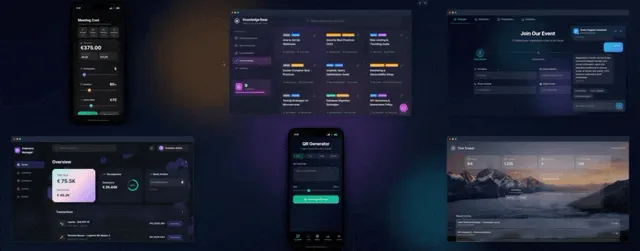
Generate the Float alternative agency utilization board as the weekly heat map, then the agency capacity planning board for longer horizon planning.
Suggested fields (keep them boring)
| Object | Fields that matter |
|---|---|
| Person | Role, weekly capacity hours, skills tags, employment type |
| Assignment | Person, project, week, planned hours, status |
| Project | Client, phase, budget hours, priority |
| Alert | Person, week, utilization %, reason |
Boring fields beat clever schemas. Agencies die in custom property sprawl. If a field is not used in the Monday ritual, delete it. Producers then read those same records through an ordinary board view rather than a separate schema editor, which is most of why adoption survives past week two.
Decision tree: Float vs Taskade Genesis
Keep Float or Runn if...
- Your producers live in the schedule eight hours a day.
- You need estimates-vs-actuals finance dashboards as a system of record.
- Compliance wants a dedicated resource tool with mature SSO/SLA packaging.
- You are above ~40 scheduled people and already standardized training on Float.
Choose Taskade Genesis if...
- Utilization is a weekly ritual, not a full-time scheduling department.
- You want agents to nag overbooking in the same workspace as client work.
- Seat minimums or contractor seating make the ROI ugly.
- You already run delivery, portals, or PM boards in Taskade and hate context switching.
Hybrid is allowed
Many agencies keep Float for the schedule canvas and run delivery in Taskade Genesis. Hybrid fails when two truths diverge. Pick one canonical "planned hours" owner and write it on a sticky note if you must.
Migration playbook (Float / Runn → Taskade Genesis board)
- Export people and weekly planned hours for the next four weeks only. Do not boil the ocean.
- Generate both boards: utilization + capacity planning kits linked above.
- Mirror one pod (for example brand design) for two sprints.
- Define the ritual: Monday lock, Wednesday reshape, Friday actuals snapshot.
- Add an agent that lists over/under utilized people into a standup note. The agency capacity watch agent and the agency overbook alert automation are the two shapes worth copying first.
- Sunset the old planner only when producers trust the board without a side spreadsheet.
| Phase | Old planner | Taskade Genesis | Success metric |
|---|---|---|---|
| Week 1 | Canonical | Mirror | Zero missing people |
| Week 2-3 | Canonical | Staff plan inside Taskade Genesis too | Conflicts caught earlier |
| Week 4 | Read-only | Canonical for pilot pod | No shadow sheet |
| Week 6+ | Cancel seat batch | Expand pods | Seat invoice shrinks |
Agency scenarios that fit
| Agency type | Float pain | Taskade Genesis angle |
|---|---|---|
| 8-person boutique | Pro seats feel steep | One board, one workspace |
| 25-person with freelancers | Paying to seat flex talent | Freelancers as people records without RM seat logic |
| Productized service | Same weekly pattern | Capacity board + productized delivery projects |
| Mixed retainers + projects | Soft booking chaos | Tentative vs confirmed statuses |
| Studio pitching constantly | What-if modeling lives in slides | Scenario project on capacity board |
Row three is the one agencies underrate. Utilization only answers "who is busy"; it takes a retainer scope tracker beside it to answer "and is that work still inside what the client bought."
A weekly ritual that actually sticks
- Monday 9:30: Lock confirmed hours. Tentative stays yellow.
- Wednesday: Agent posts conflict digest. Producer reshuffles.
- Friday: Snapshot actuals lightly (even three numbers beat none).
- Month end: Compare planned vs sold hours for two clients only. Expand later.
Rituals beat dashboards. A dashboard nobody opens is art.
Honest boundaries
| What Taskade Genesis does not do | What to use instead |
|---|---|
| Full PSA with billing, payroll, job costing | Keep accounting / PSA tools |
| Float-identical Gantt schedule UX | Accept board-first capacity |
| Automatic skill matching AI miracle | Tag skills; let agents suggest |
| GPS / time-clock hardware | Pair time tools you trust |
| Instant proof of "industry average utilization" | Measure your own baseline for 4 weeks |
Cost narrative for a 15-person studio
Imagine a 15-person studio: 10 full-timers, 5 rotating contractors. On Float Pro you might schedule all 15 and pay roughly $180/month before anyone tracks time. On Runn, a 20-seat floor can push you near the same number even if only 12 people appear on the planner most weeks. Neither invoice is "wrong." Both are priced for teams that treat the planner as a daily cockpit.
Now price the alternative narrative. The studio already runs delivery tasks, client feedback, and status updates somewhere. If that somewhere becomes Taskade Genesis, utilization is another board in the same cockpit, not a second product with a second login tax. The savings are not only dollars. They are the minutes lost reconciling "Float says 32 hours" with "Asana says the task is still in review."
| Cost lens | Dedicated RM tool | Taskade Genesis board |
|---|---|---|
| Software invoice | Seats x people on grid | Workspace plan (shared with delivery) |
| Training surface | Separate product school | Same workspace patterns |
| Reconciliation tax | High if delivery lives elsewhere | Lower when memory is shared |
| Contractor politics | Seat = permission to see them | Record without RM seat logic |
If your producers truly live in Float, keep Float. If your producers live in client Slack and a task tool, stop pretending the schedule product is the center of gravity.
FAQ
Is Taskade a Float alternative in 2026?
As a living utilization and capacity board, yes for many boutiques. As a dedicated resource-management product with Float's schedule density, no. Start at the utilization generator.
How is this different from Runn?
Runn optimizes scenario planning and resource seats (watch the minimum). Taskade Genesis optimizes ownership inside delivery workspaces. Compare your real seat invoice to your real ritual frequency.
Can we track billable utilization accurately?
You can track planned vs light actuals. For payroll-grade time and invoicing, keep a time or accounting system. A capacity board is not an ERP, and it works best when it stays that way.
Will an agent replace our producer?
No. Agents flag conflicts and draft reshuffles. Producers still make the political calls about who gets pulled off which client.
What if we already pay for Float Pro?
Run a two-week Taskade Genesis pilot for one pod without cancelling Float. If the pilot board dies after day three, you learned Float is earning its seats. If the pilot becomes the meeting agenda, renegotiate seats.
Where do we start?
/create, then generate the utilization kit and the capacity planning board.
Related reading
- Best AI ops dashboard builders
- Best agency management software
- AI for agencies
- Taskade Genesis app builder
- Live agency apps in the Community Gallery
CTA
Stop paying a seat tax to learn that everyone is at 110%. Generate the Float alternative agency utilization board, add the agency capacity planning board, and run one Monday ritual inside Taskade Genesis. If Float still earns its Pro seats after that experiment, keep Float with clearer eyes. If the board is enough, reclaim the budget for talent.