MEMORY
Where the work lives.
Projects, docs, tables, wikis — one data model, seven views, real-time collab built in.
7project views
100+field types

Software used to be static. Pages, templates, dashboards. They sat there until you clicked. They didn't think. They didn't move.
Taskade Genesis is different. It's living software.
One prompt becomes a system with memory, intelligence, and execution. Not a mockup. Not a demo. A working app that adapts and runs real workflows the moment it appears.
You describe what you want, and Taskade Genesis assembles a complete environment around it. Projects become memory. Agents become intelligence. Automations become execution. Each layer feeds the others, a self-reinforcing loop where every cycle makes the system smarter.
This is the first workspace that doesn't wait for you. It works with you.
Taskade Genesis runs on three pillars we call Workspace DNA:
Each layer feeds the next. Execution writes back to Memory. Memory feeds Intelligence. Intelligence triggers Execution. Every cycle compounds.
Taskade EVE, our workflow agent, orchestrates this loop — building specialized agents, triggering automations, and learning from every interaction. One prompt, and Taskade EVE reads your full workspace context to assemble a living system that inherits everything your team already knows.
The parallel
Smart people working hard, losing a third of every day to coordination tax. Then Slack gave humans persistent rooms, integrations to real tools, and memory that did not reset every morning. Agents are now where humans were in 2013 — brilliant in isolation, useless without a workspace.
2014 · Humans got Slack
2026 · Agents need the same
Every Taskade Genesis app is composed of exactly 9 cells. 3 layers, 3 facets each. Same structure at every scale, from a personal todo to an 8,000-node enterprise system.
A single user action flows through all three layers, hitting every cell in the 3-3-3 architecture. Here's what happens when someone submits a form to a Taskade Genesis app.
The category
Categories matter because confused buyers do not buy. Here is the map. Each lane describes the job, not the weakness.
Taskade Genesis is answering one question: where do agent teams live?
I didn't start in Silicon Valley. I started at Bronx Science, answering hosting support tickets between classes, patching crashed ffmpeg pipelines from the computer lab at lunch, and rebuilding RAID arrays on the dining table in Queens. No roadmap. No head start. Just servers that had to stay alive and people counting on them.
Those years taught me three things: systems break, nobody cares about your stack if it doesn't work, and execution beats theory every time. That instinct became Taskade.
We went through Y Combinator (S19) as a real-time workspace. Then came AI, agents, and automation. The breakthrough was connecting them into one feedback loop. That's Taskade Genesis: living systems that remember, reason, and execute on their own.
Other tools give you a UI. Taskade Genesis gives you a functioning system.
| Feature | Others | Taskade Genesis |
|---|---|---|
| Creation | Prototype UI, needs wiring | One prompt creates a live app with memory, intelligence, and execution |
| Backend | Empty projects, no source of truth | Workspace becomes the backend with live sync |
| Memory | Ephemeral sessions | Long-term shared memory across apps and agents |
| Intelligence | Chat bots bolted on | Embedded agents that act continuously |
| Automation | Webhooks, scripts, glue | Native automations that run where work lives |
| Collaboration | Solo workflows | Humans and agents working together |
| Lifecycle | Generate then export | Generate, run, publish in one loop |
| Governance | Limited control | Permissions, auditability, enterprise-ready |
| AI Models | Single model, take it or leave it | 15+ frontier models from OpenAI, Anthropic, Google, and open-weight providers. You choose |
| Integrations | Build your own connectors | 100+ native integrations: Slack, Shopify, Stripe, GitHub, Telegram |
| Publishing | Export static files to host elsewhere | Custom domains, passwords, analytics, SEO. Publish from workspace |
| Developer Access | No API or limited webhooks | REST API v2, MCP v2, Agent API, webhooks, OAuth 2.0 |
Taskade Genesis removes the gap between idea and execution. You don't export anything. You don't hand work off. The system is alive the moment it's created.
Taskade didn't start in Silicon Valley. It started in public labs and borrowed computers, learning how to keep things alive with no playbook and no shortcuts.
That mindset became Taskade. And Taskade became Taskade Genesis: the next step in software. Not tools you operate, but systems that operate with you.
Taskade Genesis is for the founders, operators, and builders who move before they're given permission. The ones who build because they need the tool today, not next quarter.
If that's you, you're home. → Build without permission
What Genesis makes possible
Three things changed. Genesis makes each one real today.
Software builds itself. Describe the app you need. Taskade Genesis assembles the working version — projects, agents, automations, custom domain — wired from one prompt. Ready to clone and ship in minutes.
Memory becomes the moat. Every project, doc, call note, and customer record feeds the next agent. The longer you build in Taskade, the smarter your workspace gets. Compounding leverage, by default.
One founder ships like a team. An agent on Stripe webhooks. A workflow that posts to Slack every Friday at 5. A dashboard that scores leads while you sleep. Genesis is the execution layer founders build on.
Build it once. Run it forever.
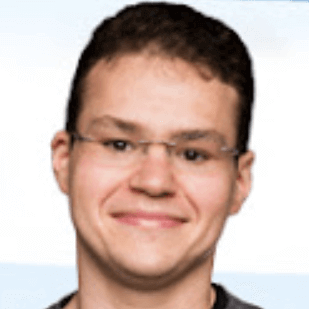
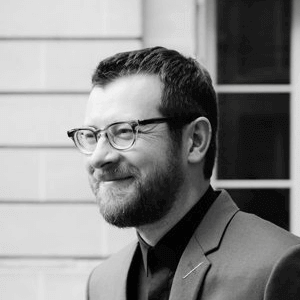
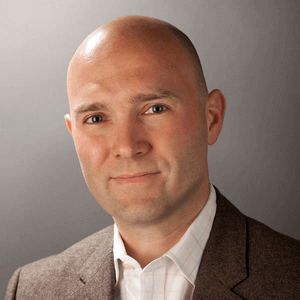
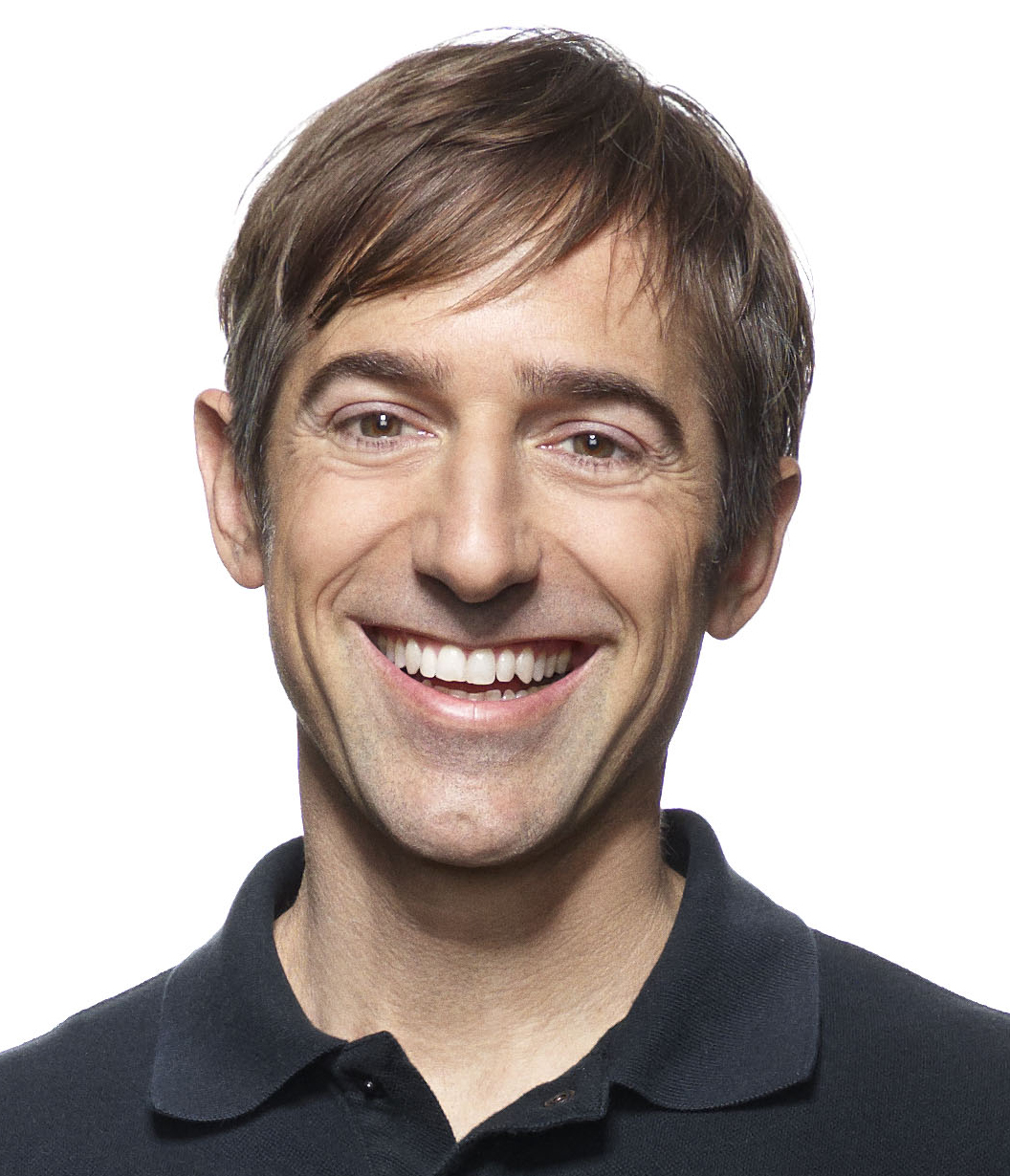
Taskade is led by the team building the execution layer for the AI era.
Backed by Y Combinator and early believers from Google, Facebook, Twitter, Riot Games, Zynga, Mercury, and more.
















Most tools give you features.The Workspace DNA Architecture
Taskade gives you a mind that remembers,
reasons, and moves on its own.
Workspace DNA
Memory feeds intelligence. Intelligence triggers execution. Execution updates memory.
MEMORY
Projects, docs, tables, wikis — one data model, seven views, real-time collab built in.
INTELLIGENCE
Multi-agent teams share workspace memory and hand off context. 15+ frontier models, auto-routed.
EXECUTION
Triggers, branches, retries — durable flows that keep running after chat ends. 100+ tools wired in.
One living workspace behind every app, agent, and workflow.
From humble beginnings to Y Combinator. The collaborative productivity platform takes shape.
The remote work revolution. Taskade becomes essential for distributed teams worldwide.
Complete platform transformation. Taskade V4 launches with modern interface and enhanced collaboration.
December 12th changes everything. AI becomes contextually aware of projects and tasks. The journey to Genesis begins.
From basic AI commands to sophisticated agent systems. The intelligence revolution accelerates.
The architecture crystallizes. AI agents become autonomous teams. Workspace DNA emerges as the self-reinforcing loop: Memory feeds Intelligence, Intelligence triggers Execution, Execution writes back to Memory.
 Genesis Launches
Genesis turns a single prompt into a live application with memory, intelligence, and execution built in. Platform V6 ships with a complete redesign. The HyperCard moment for the AI era.
The Platform OpensGenesis matures from product to platform. Public APIs, MCP v2, 100+ native integrations, agent publishing, and Telegram automations ship in rapid succession. 80 releases in 5 months.