
Definition: The Kanban Method is a visual workflow management approach that uses boards, columns, and cards to represent work items and their progress through different stages. Taskade's board view provides native Kanban functionality for teams practicing this methodology.
Kanban emphasizes continuous flow, limiting work in progress, and making workflow visible to identify bottlenecks and optimize team productivity.
What is the Kanban Method?
Kanban boards visualize workflow stages (typically To Do, In Progress, Done) with work items represented as cards that move through columns as they progress. The method focuses on pull-based systems where new work is only started when capacity becomes available.
Key principles include visualizing work, limiting work in progress (WIP), managing flow, making policies explicit, and implementing feedback loops for continuous improvement.
Kanban Method in Taskade
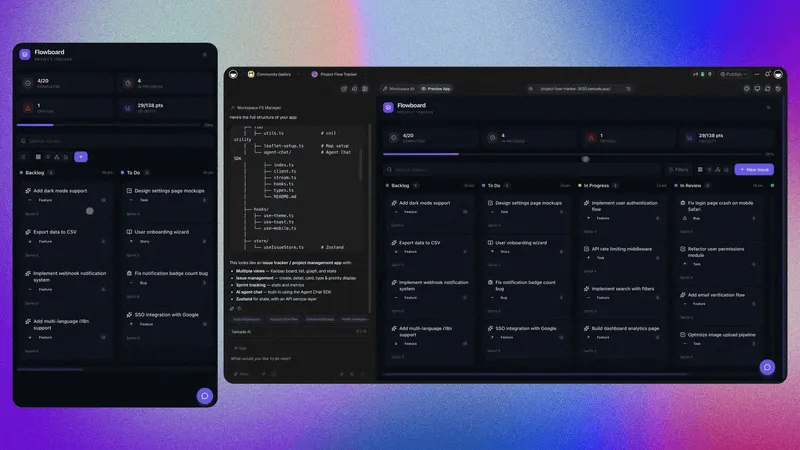
Visual Boards: Use Taskade's board view to create Kanban boards with customizable columns and workflow stages
WIP Limits: Implement work-in-progress limits to maintain optimal flow and prevent team overload
Card Management: Create detailed task cards with descriptions, assignments, due dates, and progress indicators
Flow Metrics: Track cycle time and throughput using Taskade's analytics and reporting features
Continuous Improvement: Regular retrospectives and workflow optimization based on board performance data
Team Coordination: Real-time collaboration on Kanban boards with instant updates and notifications
Getting Started: Switch any Taskade project to Board view, create columns for your workflow stages (Backlog, In Progress, Review, Done), then start moving tasks through your visual workflow.
Related Concepts: Board View, Workflow Management, Continuous Improvement