






Y Combinator Fieldnotes: How to Grow and Thrive During a Crisis
Postpone and wait or adapt and move forward? Companies and organizations across the globe have been facing some hard decisions in the last few weeks. COVID-19 t...
On this page (23)
Postpone and wait or adapt and move forward? Companies and organizations across the globe have been facing some hard decisions in the last few weeks. COVID-19 took the world by storm, and only a few, including Y Combinator, were prepared to ride the wave of crisis.
Thanks to preparedness and willingness to embrace remote work tools, some businesses were able to quickly move from:
👉 Office work to telecommuting
👉 In-person events to virtual meetings
👉 Panic to proactive work-from-home isolation
Unfortunately, building resilient brands is more of an exception than the norm. Most companies would rather focus on thriving during calm times than to prepare for a downturn.
It's much easier to build powerful brands while the economy is growing 📈and there’s no pandemic keeping people in lockdown. 🔒 When things go south, only a few companies know how to be truly resourceful and navigate the crisis with style.
Instead of trying to wait it out, Y Combinator’s leaders decided to take advantage of the situation and move forward.
So, what can we learn from them? We'll answer that question in a moment. But first, let’s see what makes Y Combinator so special.
The Walk From Harvard Square to Paul Graham’s House 🏡
It took a conversation and a walk from Harvard Square to Paul Graham’s house for Y Combinator to be born.
On March 11, 2005, Paul Graham and Jessica Livingston, who would later become Y Combinator’s co-founders, were discussing the VC business and what needed to change. When it came to the role of investors, they agreed that:
- 💵 They should be making more, smaller investments
- 🕴🏻They should be funding hackers instead of suits
- 🌱 They have to be willing to fund younger founders
These conclusions led them to create Y Combinator (YC for short), a seed accelerator that would later develop an entire methodology around funding, educating, and sustaining early-stage startups.

Paul Graham via Y Combinator
Funding startups synchronously became the core element of the YC philosophy, and as Paul Graham highlights on his website:
“We decided very early that the first thing we’d do would be to fund a bunch of startups over the coming summer. But we didn’t realize initially that this would be the way we’d do all our investing. The reason we began by funding a bunch of startups at once was not that we thought it would be a better way to fund startups, but simply because we wanted to learn how to be angel investors, and a summer program for undergrads seemed the fastest way to do it.”
Later, the work dynamic and methodology crystallized, transforming Y Combinator into a famous seed accelerator. One that all early-stage startups wanted to be a part of (more about that in a moment).
15 Years of Consistent Awesomeness 💪
Remarkable results. That’s the only indicator you need to understand YC's success. And if you’re looking for solid numbers, its business records, as presented by Michael Seibel, CEO and a partner at Y Combinator, will leave you speechless.

A Work Session at YC Headquarters via Y Combinator
As Eric Feng, software engineer, business executive and financier, wrote in one of his articles:
“The number of startups YC invests in each biannual batch has grown by an order of magnitude since the program began. In their first-ever startup batch in the summer of 2005, there were 11 companies. 14 years later, the summer of 2019 class had 175 companies. There were more A.I. startups alone (12) this past summer than total startups that very first summer.”
According to Feng, the “YC investment activity mirrors what has happened across all of the seed investing.” In other words, it's possible to predict seed investing trends around the world by analyzing the next batch of startups YC is putting through its three-month program.
But how exactly did Y Combinator achieve these incredible results? Was it thanks to its core philosophy? Its values? Or maybe the way it operates? The simple answer is: It was all that and a touch more.
Y Combinator DNA: Successful in Understanding Failure 🙌
As Michael Seibel pointed out during his SaaStr speech, there's one key factor that makes YC different from other seed accelerators:
“Even though we had a lot of success, I would argue that we are far more successful in understanding failure and sometimes we are calling ourselves experts in failure.”
Apart from the knowledge transfer and extreme camaraderie YC encourages during its programs, the company has an undeniable street wit.
By observing countless brands go through ups and downs, YC leaders focus not only on investments and entrepreneurial training but also on spotting the tiniest details that can knock down a company. From there, it's all about sharing the best practices entrepreneurs can apply to keep this from happening.
YC built its entire philosophy around observation, experimentation, mitigating risks and transferring its expertise to the startups that go through its programs. All this comes entangled with a robust policy based on trust, respect and transparency.
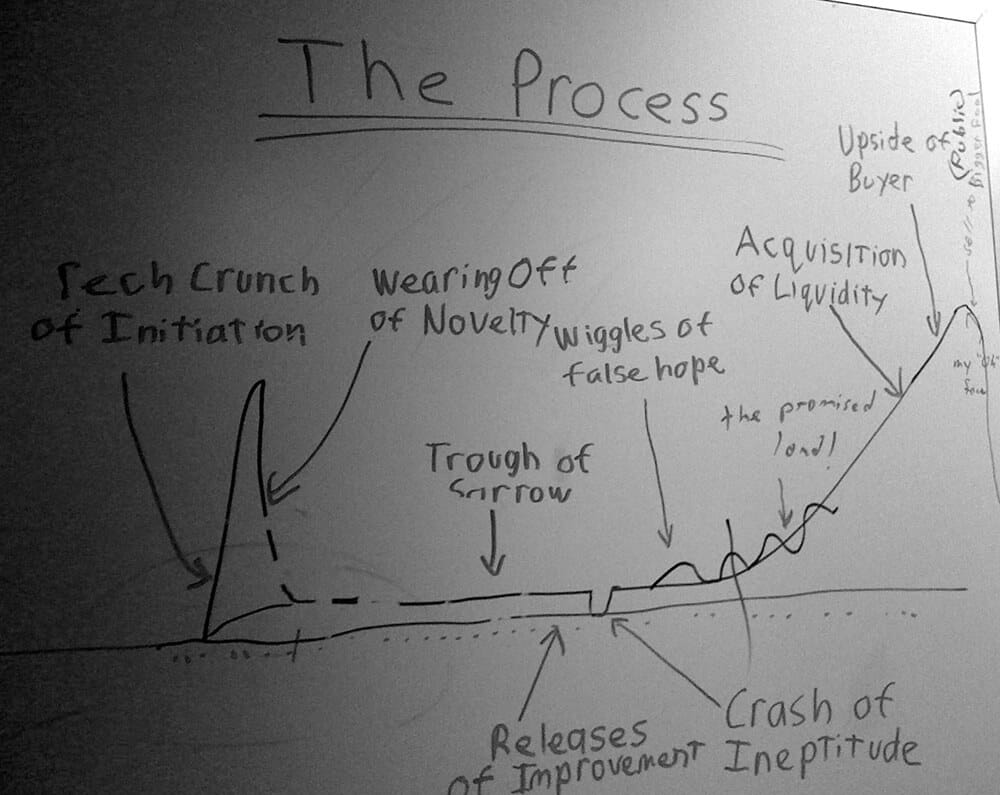
The Process via Y Combinator
According to the YC's Founder Ethics document, “The YC community is strong because its members share a set of common values such as integrity, respect, and accountability. We believe these are critical traits for founders to have.”
In other words, YC isn't just interested in accepting potentially successful brands with good ideas. It’s also paying close attention to the emotional intelligence of founders. The entire YC philosophy is based on accepting fragility, building resilience and focusing on transparent operations that nurture growth.
Y Combinator Brands Changing the World 🌎
If we want to understand how YC operates, we should take a look at some of its brands that started as mere ideas and ended up transforming the world.
👉 Stripe: The New Standard in Online Payment
Chances are you (or somebody you know) have used Stripe at least once to receive a payment or pay for goods and services. With a $35 billion valuation in 2019, Stripe is developing economic infrastructure for businesses of all sizes. The company runs technically sophisticated financial operations in more than 100 countries and has created more than 2,000 jobs.
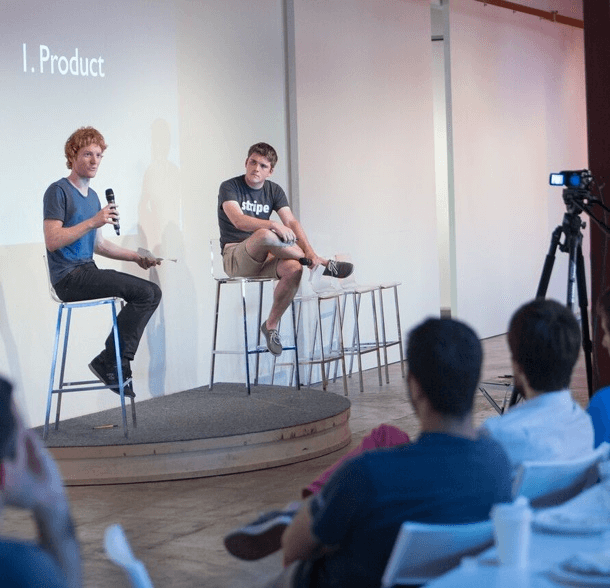
Stripe Presentation via Y Combinator
👉 Rappi: Changing the Way On-Demand Delivery Works
Based in Bogota, Colombia, Rappi provides on-demand delivery and financial services for Latin America. The company has created more than 3,900 jobs and raised 1$ billion from Softbank in 2019.
👉 Webflow: Preparing the World for the Age of No-Code
Even if you haven’t heard about Webflow, mark our words: It’ll be big. Focused on helping businesses and individuals build websites without coding, Webflow powers more than 190,000 sites online. In 2019, the company raised a massive $72 million Series A round of funding led by Accel.
This is just a small sample of the world-changing brands fostered by YC. If you want to learn more, be sure to check out the Y Combinator Top 2019 Companies List.
How Y Combinator Did Its Magic Before COVID-19 📝
One of the things that make Y Combinator different from other seed accelerators is the methodology it's developed. Even before COVID-19, YC had a bulletproof process for enrolling startups in its programs.
Usually, the company runs three-month funding cycles twice a year: from January through March and from June through August.
Startups are invited to submit their applications, and then the YC program leaders meet with the most promising candidates in Mountain View, California. After a series of interviews, YC decides which startups to finance and enroll in the program.
Once a startup has been officially enrolled, YC invites the team to move to the Bay Area for three months, the time “during which we work intensively with them to get the company into the best shape possible.”

During each cycle, YC holds weekly dinners with heavy-hitting entrepreneurs attending as speakers. On top of that, YC programs involve events and regular working sessions during which founders can engage with the YC team to discuss business-related topics or challenges.
Another crucial component of a program is Demo Day. It's an event where startup founders have the opportunity to present their product or service “as convincingly as they can for the stage they’re at.” They can also mingle with and talk to multiple investors.
“Demo Day has become a big deal. From the first one, which had 15 people in the audience, it has grown into a three-day-long event for about 1,000 investors.” YC also emphasizes that “we doubt there’s another occasion when such a large percentage of the top startup investors are all in one place.”
—YC
The YC program also includes fundraisers, prototype days, rehearsals, alumni meetings and social events. All YC activities are geared towards face-to-face, in-person interactions.
This was working like a charm, until...
What changed with COVID-19 👀
The coronavirus outbreak hit the events industry really hard. With thousands of venues forced to shut their door, most events have been either postponed or canceled altogether.
A grim scenario, indeed, but as it turns out, not for everybody. A handful of companies that were flexible and fast enough to rethink their strategies are still on the battlefield.
As you've probably guessed, Y Combinator is one of them.
Last month, Y Combinator announced that it'd run an online Demo Day for the participants of its program:
“On March 23, YC will host our 30th Demo Day online. With the growing concern over COVID-19, we believe this is the right thing to do for the safety of all attendees, including our team, founders, investors, and the media.”
The company also added:
“Additionally, depending on the circumstances this summer, some or all of the batch may take place remotely over video.”

On-Site Demo Day via Y Combinator
But that's not all. Let's not forget that YC also runs an online Startup School, a free 8-week online course for startup founders where they can learn about the initial challenges they’ll encounter when building a brand.
In other words, YC has fully embraced the idea of switching to remote events this summer and building a remote startup accelerator program.
So, Is This Good News or Bad News? 🤔
If there’s one thing we can say for sure, it’s that YC is taking control over the situation. Instead of postponing or canceling its programs, YC decided to find an alternative course of action and move forward.
So, what are the tangible benefits of this proactive approach? Are there any long-term implications for seed accelerators? What problems can we expect?
For starters, if YC decides to completely transform its in-person program into an online one, it may face some speedbumps down that road.
⭕ Lower Networking Levels
One of the things that make YC so appealing is the opportunity to meet like-minded people and investors. And these in-person experiences often lead to new projects, collaborations and investments.
Will this be possible when attending a virtual event? Although there are plenty of options in terms of online engagement, nothing beats the thrill of face-to-face interactions.
⭕ Lack of Personal Experiences
The entire excitement of being selected by YC has much to do with the opportunity to move to the Bay Area for three months. That experience will have to be replaced with remote collaboration, video conferencing and instant messages. And that means no fun, at least for the time being.
⭕ More Distractions and Less Focus
Going through YC's programs requires a sharp focus and high engagement on participants' end. When interactions move online, some founders may find it difficult to engage with the YC team and achieve the same level of collaboration as they would on-site.
On the flip side, there are plenty of positives too.
✅ Startup Founders Won’t Have to Relocate
Although moving can certainly be exciting, it also means a disruption to daily routine and requires the participants to acclimatize to the new environment. Attending the YC program online may come as a big relief to some people, especially those founders who simply can't leave their homes for three months.
✅ Brands Will Continue to Grow No Matter What
Imagine what would happen if YC had to close its 2020 program. Skipping one YC year would cut many up-and-coming startups from eventual guidance and open them up for business disruption. A 100% online version of YC programs could help remarkable brands secure investments and receive support they need to thrive during the crisis.
✅ Startups Will Be Prepared for the Future
With or without COVID-19, remote work is the future. We've already seen plenty of successful companies based on 100% distributed teams. Moving YC programs online will help founders embrace remote work and build their own location-independent teams in the future.
Lessons We Can Learn From Y-Combinator’s Antifragility Strategy 💡
📌 Keep Moving, Keep Changing
A few months ago, it'd be difficult to imagine that a virus could make the entire world stop. Sure, there was some murmur about a coming recession, but it all seemed too far away to matter.
Fast forward to today, we're living in a time that's both surreal and incredible. And only those who move forward will have a chance to emerge unscathed.
Regardless of what your business is, follow YC’s example and keep going. Don’t cancel your plans or think about quitting. Review your strategy and create a unique action plan that'll help you transform this crisis into a growth opportunity.
📌 Experiment With and Implement New Solutions
This is the perfect time for innovating and exploring novel opportunities. Schedule online meetings instead of in-person ones. Learn how to run remote masterclasses and workshops. And, above all, be empathetic with your users and employees.
📌 Embrace the New Remote Culture
Like it or not, remote work is *the* thing that can keep your company afloat during the crisis. If you’ve never experimented with it, this is the perfect moment to engage your entire team in online conversations, manage projects remotely and launch new products and services with everybody working from home.
Isn't that exciting?
📌 Communicate and Be Fully Transparent
Finally, make sure to be straightforward about your strategy. Both your clients and employees need to know your next steps so that they can prepare for what’s coming. And as Michael Seibel notes, being fully transparent with people is the only way to get them to commit to the cause and accompany you through the crisis.
🎯 The Main Takeaway
If there’s one thing we want you to remember from this article, it’s this: We live in uncertain times. Tomorrow is not guaranteed for any of us. Whether it’s COVID-19, an economic crisis or another global catastrophe, we should always be prepared.
But not prepared to *just* survive.
Be prepared to grow and thrive. And you can do just that by following the Y Combinator example and showing resilience, resourcefulness and flexibility when an opportunity presents itself.
So, what’s YOUR anti-fragility plan? 👊🏻

Frequently Asked Questions
How did Y Combinator adapt during the COVID-19 crisis?
Y Combinator rapidly shifted its entire program online — moving Demo Day to a virtual format, converting in-person office hours to video calls, and maintaining its batch schedule without interruption. The accelerator leveraged remote work tools and its strong alumni network to ensure startups could continue building, fundraising, and launching despite lockdowns and economic uncertainty.
What strategies help startups survive an economic downturn?
Key strategies from Y Combinator's playbook include: extend your runway by cutting non-essential spending immediately, focus on default alive metrics (revenue exceeding burn rate), double down on customer retention over acquisition, communicate transparently with investors and employees, and treat the crisis as an opportunity to build when competition retreats. Startups that ship product during downturns often emerge stronger.
What is Y Combinator and why is it influential?
Y Combinator (YC) is a seed accelerator founded in 2005 by Paul Graham and Jessica Livingston. It provides early-stage startups with funding, mentorship, and a structured 3-month program culminating in Demo Day. YC has backed over 4,000 companies — including Airbnb, Stripe, Dropbox, and Reddit — with a combined valuation exceeding $600 billion, making it the most influential startup accelerator in the world.
How can remote work tools help startups during a crisis?
Remote work tools enable startups to maintain productivity without physical offices — reducing overhead costs, accessing global talent, and ensuring business continuity during disruptions. Platforms like Taskade combine task management, team chat, and video conferencing in one workspace, eliminating the need for multiple subscriptions and keeping distributed teams aligned on priorities during uncertain times.